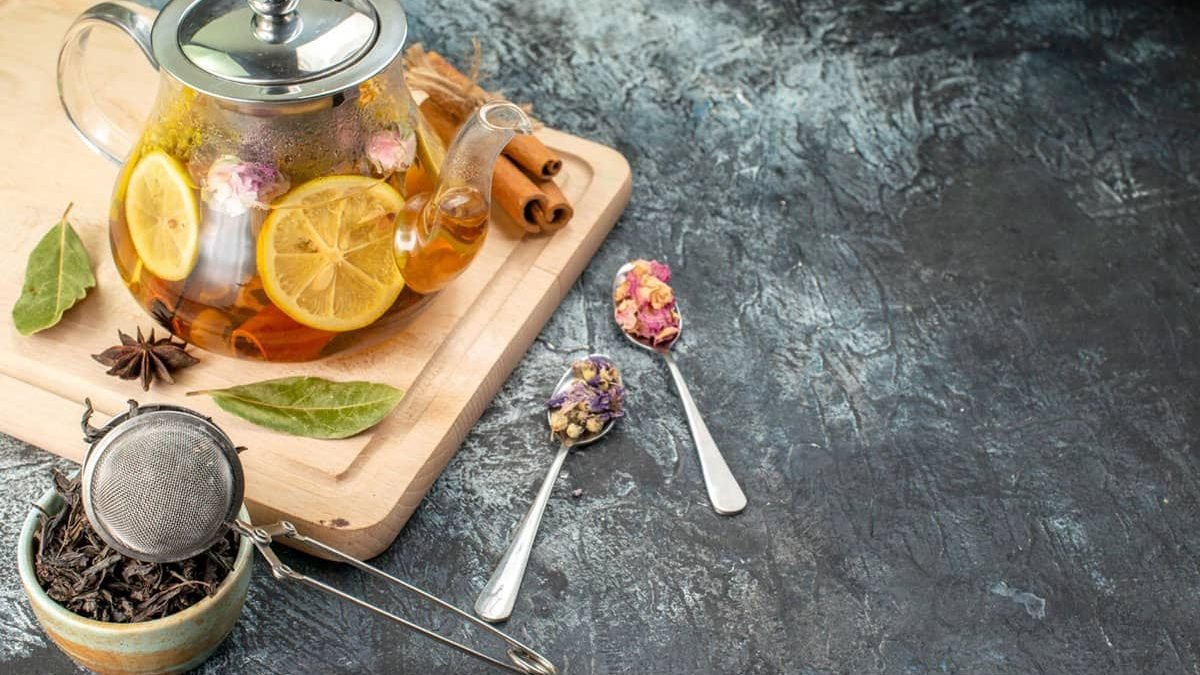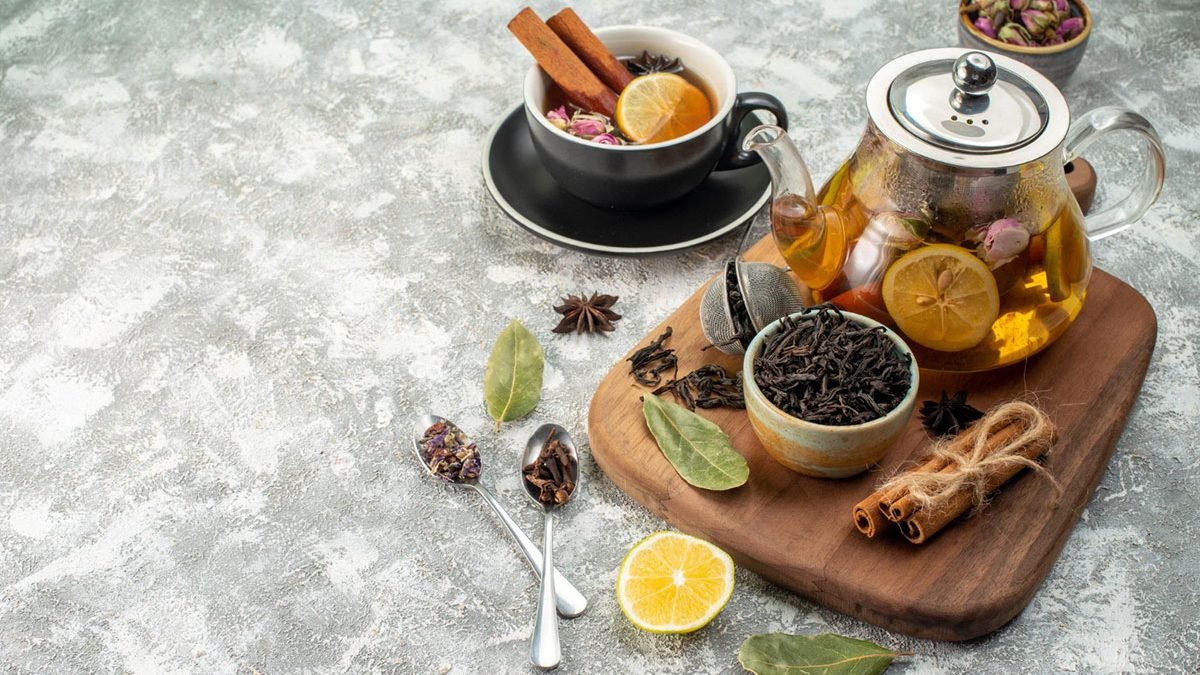

Nettle tea is a traditional herbal beverage made from the leaves of the stinging nettle plant (Urtica dioica). Popular throughout Europe, including many Balkan countries, nettle tea has been enjoyed for centuries as part of traditional wellness practices. It has a mild, earthy flavor with slightly grassy notes and naturally contains vitamins, minerals, antioxidants, and other beneficial plant compounds.
Today, more people are discovering nettle tea as a caffeine-free alternative to coffee and traditional tea. Its mild flavor, long history of use, and natural nutrient content have helped make it a favorite among herbal tea enthusiasts. While research on nettle continues to grow, many people enjoy this herbal infusion for its nutritional value, refreshing taste, and long history of traditional use.
In this guide, we’ll explore the potential nettle tea benefits, how to prepare it properly, recommended serving amounts, possible side effects, and important precautions to keep in mind before adding it to your daily routine.
Herbal infusions such as nettle tea have long been valued across Europe. Many are featured in our guide to Balkan Herbal Teas: A Delicious and Healthy Way to Relax.
What Is Nettle Tea?
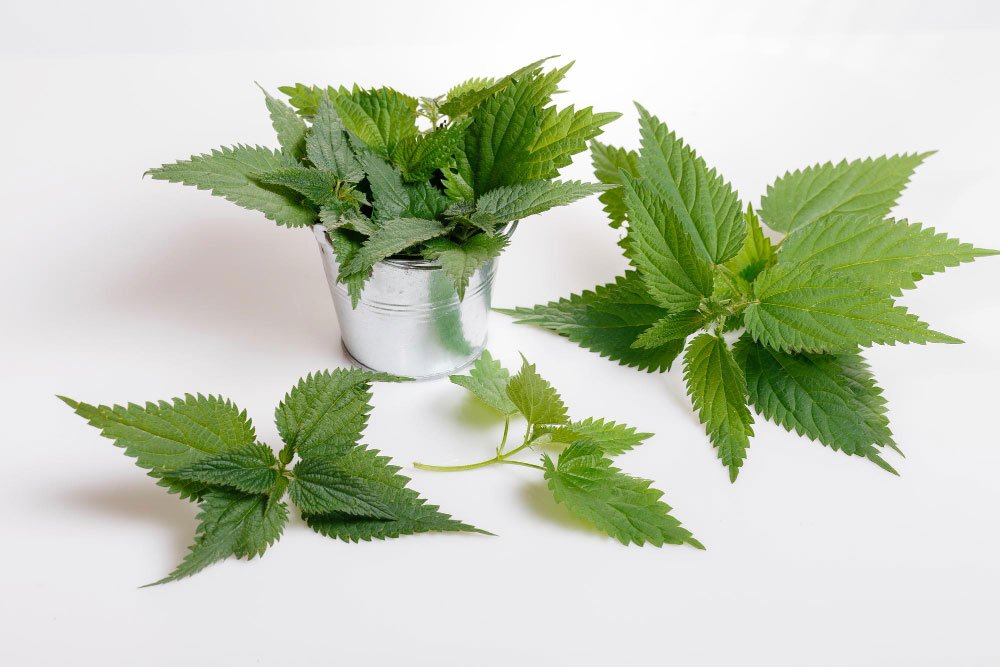
Nettle tea is an herbal infusion made from the leaves of the stinging nettle plant (Urtica dioica). Although the fresh plant is known for the tiny hairs that can cause a temporary stinging sensation when touched, these effects disappear once the leaves are dried or steeped in hot water.
For centuries, nettle has been used throughout Europe and the Balkans as both a food and a traditional herbal remedy. The leaves naturally contain vitamins, minerals, antioxidants, and other plant compounds that have contributed to its popularity in folk medicine.
Today, this herbal tea is commonly enjoyed as a caffeine-free herbal beverage with a mild, earthy flavor. Many people drink it as part of a balanced lifestyle, while others appreciate its long history of traditional use and nutritional profile. Whether served hot or iced, the drink remains one of the most widely consumed herbal teas around the world.
According to research published by the National Center for Biotechnology Information (NCBI), stinging nettle contains a variety of bioactive compounds including polyphenols, flavonoids, vitamins, and minerals that contribute to its traditional use as an herbal plant.
Nettle Tea At A Glance
| Feature | Details |
|---|---|
| Scientific Name | Urtica dioica |
| Caffeine | None |
| Flavor | Earthy, grassy, mildly vegetal |
| Serving Temperature | Hot or Iced |
| Common Uses | Daily herbal tea and hydration |
Nutritional Profile Of Nettle Tea
Nettle tea is naturally low in calories while providing a variety of vitamins, minerals, antioxidants, and beneficial plant compounds. Although the exact nutritional content depends on factors such as the quality of the leaves and brewing method, nettle has long been valued for its impressive nutrient profile.
The leaves of the stinging nettle plant contain nutrients such as vitamin C, vitamin K, calcium, iron, magnesium, and potassium. Nettle also contains polyphenols and other antioxidant compounds that contribute to its popularity as a traditional herbal beverage. These nutrients are one reason why this caffeine-free tea continues to be enjoyed by herbal tea enthusiasts around the world.
- Vitamin C
- Vitamin K
- Iron
- Calcium
- Magnesium
- Potassium
- Antioxidant plant compounds
What Are The Health Benefits Of Nettle Tea?
People have been drinking nettle tea for centuries as part of traditional wellness practices. While scientific research is ongoing, studies suggest that nettle contains several beneficial compounds that may support overall health. Combined with its nutritional value and caffeine-free nature, this traditional herbal remedy can be a refreshing addition to a balanced lifestyle.
May Help Support Seasonal Wellness
Nettle has traditionally been used to support seasonal wellness, particularly during times when pollen and other environmental irritants are common. Some research suggests that compounds found in nettle may help support the body’s natural response to seasonal changes.
Rich In Antioxidants
Nettle contains antioxidants such as flavonoids, carotenoids, and polyphenols. These compounds help protect cells from oxidative stress caused by free radicals. Antioxidants play an important role in supporting overall health and well-being.
Like nettle, many traditional mountain herbs are valued for their antioxidant content. Learn more in our guide to Mursal Tea Benefits: Bulgaria’s Ancient Mountain Herb Explained.
May Support A Healthy Inflammation Response
Studies suggest that nettle contains natural plant compounds that may help support the body’s normal inflammatory processes. Because of this, nettle has long been used in traditional herbal practices as part of a healthy lifestyle.
Supports Hydration
Like many herbal teas, nettle tea contributes to your daily fluid intake. Staying properly hydrated is important for digestion, circulation, temperature regulation, and overall wellness.
Naturally Caffeine-Free
Unlike black tea, green tea, or coffee, nettle tea is naturally caffeine-free. This makes it a popular option for people looking to reduce caffeine consumption or enjoy a relaxing beverage in the evening.
Provides Vitamins And Minerals
Nettle leaves naturally contain nutrients such as vitamin C, vitamin K, iron, calcium, magnesium, and potassium. While the exact amount varies depending on preparation methods, this herbal tea may provide small amounts of these beneficial nutrients.
May Support Healthy Digestion
Many people enjoy nettle tea as a soothing herbal beverage after meals. Traditional herbal practices have long associated nettle with digestive wellness, and its gentle nature makes it a popular everyday tea.
If you enjoy herbal teas that may support digestive comfort, you may also be interested in Linden Tea Benefits, Side Effects, and Brewing Guide.
May Support Overall Wellness
While no herbal tea is a magic solution, many people enjoy the beverage as part of a balanced lifestyle. Its combination of antioxidants, vitamins, minerals, and naturally caffeine-free character makes it an easy addition to a daily wellness routine.
Affiliate Disclosure: As an Amazon Associate, Balkan Teas may earn from qualifying purchases. This comes at no additional cost to you and helps support our website.
Best Nettle Tea Products
If you’re ready to try nettle tea, there are several high-quality options available. Look for products made from pure nettle leaves without unnecessary additives or artificial ingredients.
| Product | Type | Best For | Buy On Amazon |
|---|---|---|---|
| Traditional Medicinals Organic Nettle Leaf Tea | Tea Bags | Everyday Use | Check Price |
| Buddha Teas Nettle Leaf Tea | Tea Bags | Organic Option | Check Price |
| Frontier Co-op Organic Nettle Leaf | Loose Leaf | Custom Brewing | Check Price |
| Starwest Botanicals Organic Nettle Leaf | Loose Leaf | Bulk Purchases | Check Price |
| Celebration Herbals Nettle Leaf Tea | Tea Bags | Herbal Tea Lovers | Check Price |
How To Prepare This Tea
Making nettle tea at home is quick and easy and requires only a few ingredients. Whether you use loose nettle leaves or tea bags, a few minutes of steeping is all it takes to enjoy this earthy, caffeine-free herbal infusion.
Ingredients
- 1 to 2 teaspoons dried nettle leaves (or 1 nettle tea bag)
- 8 ounces (240 ml) hot water
- Honey, lemon, or your preferred sweetener (optional)
Instructions
- Bring fresh water to a boil.
- Place the dried nettle leaves or tea bag into a mug or teapot.
- Pour the hot water over the nettle.
- Cover and allow it to steep for 5 to 10 minutes.
- Strain the leaves if using loose-leaf nettle.
- Add honey or lemon if desired.
- Serve warm, or chill and pour over ice for a refreshing cold beverage.
Brewing Tips
- Steep for 5 minutes for a milder flavor or up to 10 minutes for a stronger brew.
- Add peppermint, lemon balm, or chamomile to create your own herbal tea blend.
- For iced stinging nettle infusion tea, brew a slightly stronger batch before cooling.
- Store dried nettle leaves in an airtight container away from heat, light, and moisture to help preserve freshness.
- Use filtered water whenever possible for the best flavor.
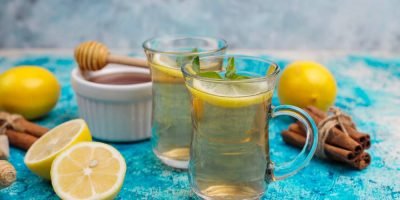
Nettle tea has a mild, grassy taste that pairs well with citrus, honey, and other herbal ingredients, making it easy to customize to your personal preference.
How Much Should You Drink?
There is no universally recommended amount of nettle tea for healthy adults. The ideal amount can vary depending on factors such as your overall diet, health status, and personal tolerance.
Many people enjoy:
- 1 cup daily as part of a balanced wellness routine.
- 2 to 3 cups per day for regular herbal tea consumption.
- Occasional use when looking for a soothing, caffeine-free beverage.
If you are new to nettle tea, it may be a good idea to start with a single cup and gradually increase your intake if desired. This allows you to see how your body responds.
Best Times To Enjoy This Herbal Infusion
Because nettle tea is naturally caffeine-free, it can be enjoyed at almost any time of day:
- In the morning as an alternative to caffeinated beverages.
- After meals as part of a relaxing routine.
- In the afternoon for hydration and refreshment.
- In the evening when you want a warm drink without caffeine.
Listen To Your Body
As with most herbal teas, moderation is generally recommended. While many people drink nettle tea regularly without issues, consuming excessive amounts of any herbal beverage may not be appropriate for everyone.
If you are pregnant, nursing, taking medications, or have a medical condition, consult a healthcare professional before making nettle tea a regular part of your routine.
Potential Side Effects And Precautions
Nettle tea is generally considered safe for most healthy adults when enjoyed in moderation. However, like many herbal products, it may not be suitable for everyone. Understanding potential side effects and precautions can help you enjoy nettle tea safely.
Possible Digestive Discomfort
Some people may experience mild digestive symptoms when first introducing nettle tea into their routine. These can include stomach discomfort, bloating, or nausea. Starting with a smaller amount may help minimize any digestive issues.
Allergic Reactions
Although uncommon, allergic reactions to nettle can occur. Individuals who are sensitive to nettle plants or other related plants should use caution. If you experience itching, rash, swelling, or difficulty breathing after consuming nettle tea, discontinue use and seek medical attention.
Medication Interactions
Nettle contains biologically active compounds that may interact with certain medications. In particular, people taking the following should consult a healthcare professional before regularly drinking nettle tea:
- Blood pressure medications
- Blood thinners
- Diuretics (water pills)
- Diabetes medications
- Medications that affect kidney function
Pregnancy And Breastfeeding
There is limited research regarding the regular use of nettle tea during pregnancy and breastfeeding. For this reason, pregnant or nursing individuals should consult their healthcare provider before consuming nettle tea regularly.
Avoid Wild Harvesting Without Proper Knowledge
Fresh stinging nettles can cause skin irritation due to the tiny hairs found on the plant. If you choose to harvest nettles yourself:
- Wear protective gloves.
- Properly identify the plant before harvesting.
- Avoid collecting plants from roadsides or areas that may have been treated with pesticides.
- Thoroughly dry or prepare nettles before use.
Drink In Moderation
While nettle tea is often enjoyed as part of a healthy lifestyle, more is not always better. Drinking moderate amounts and paying attention to how your body responds is generally the best approach.
If you have an underlying medical condition, take prescription medications, or have concerns about herbal products, speak with a qualified healthcare professional before adding nettle tea to your routine.
Another popular caffeine-free herbal infusion worth exploring is Greek Mountain Tea Benefits and How to Brew It Properly, a traditional tea enjoyed throughout the Mediterranean region.
Frequently Asked Questions
Does Nettle Tea Contain Caffeine?
No. Nettle tea is naturally caffeine-free, making it a popular choice for people who want to reduce their caffeine intake or enjoy a soothing beverage later in the day.
What Does Nettle Tea Taste Like?
Nettle tea has a mild, earthy flavor with grassy and slightly vegetal notes. Some people compare its taste to green leafy vegetables or mild herbal infusions. Adding lemon or honey can help enhance the flavor.
Can You Enjoy It Every Day?
Many people enjoy nettle tea daily as part of a balanced lifestyle. Drinking one to three cups per day is common, but individual preferences and tolerance levels can vary. If you take medications or have health concerns, consult a healthcare professional before regular use.
Is Nettle Tea The Same As Stinging Nettle?
Yes. Most nettle tea is made from the leaves of the stinging nettle plant (Urtica dioica). Once dried or steeped in hot water, nettle loses the stinging properties associated with the fresh plant.
Can This Herbal Drink Be Served Cold?
Absolutely. Nettle tea can be brewed, cooled, and served over ice for a refreshing herbal beverage. Many people enjoy iced nettle tea during warmer months.
When Is The Best Time To Drink Nettle Tea?
Because it is naturally caffeine-free, nettle tea can be enjoyed at any time of day. Some people drink it in the morning as an alternative to caffeinated beverages, while others prefer it in the evening as part of a relaxing routine.
Can You Add Other Herbs To Nettle Tea?
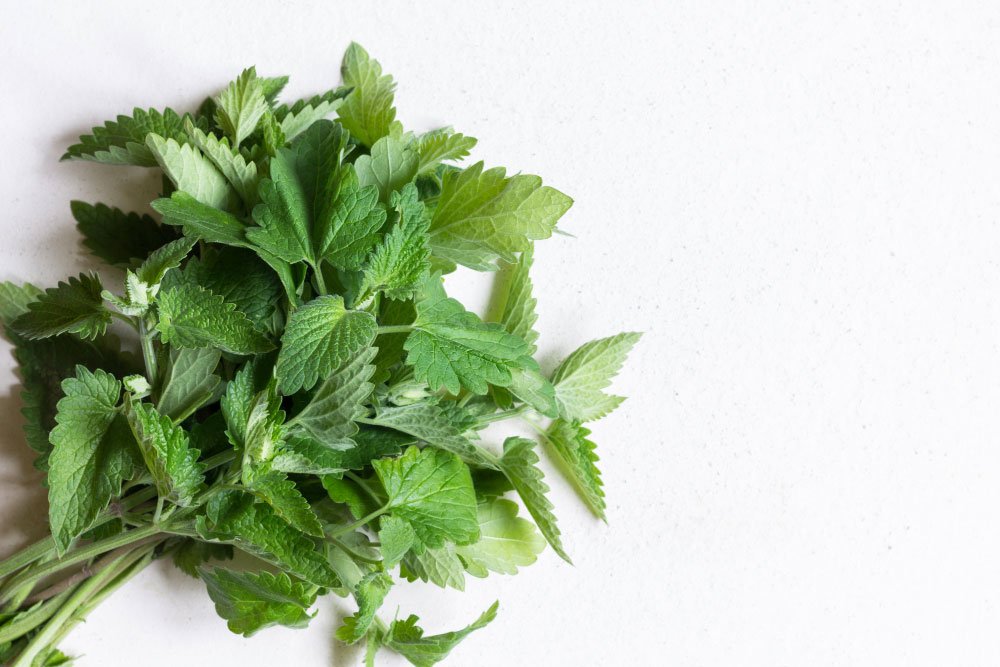
Yes. Nettle blends well with many herbs, including peppermint, chamomile, lemon balm, ginger, and linden flowers. Combining herbs can create unique flavors and customized herbal tea blends.
How Should Nettle Tea Be Stored?
To maintain freshness, store dried nettle leaves or tea bags in a cool, dry place away from direct sunlight and moisture. Proper storage helps preserve flavor and quality over time.
Looking to expand your tea collection? Explore The Top Balkan Teas to Try for more traditional herbal and regional teas from across the Balkans.
Final Thoughts On Nettle Tea Benefits
Nettle tea has been enjoyed for centuries and continues to be one of the most widely consumed herbal teas around the world. From its rich antioxidant content to its naturally caffeine-free profile, the many nettle tea benefits make it an appealing choice for those looking to add more herbal beverages to their daily routine.
Although scientific research on nettle tea is still evolving, the plant has a long history of traditional use and contains a variety of vitamins, minerals, and beneficial plant compounds. Many people enjoy nettle tea for its mild earthy flavor, versatility, and potential wellness-supporting properties.
Whether you prefer it hot during the colder months or served over ice on a warm day, nettle tea can be a refreshing and enjoyable addition to a balanced lifestyle. As with any herbal product, moderation is recommended, and those with medical conditions or concerns should consult a healthcare professional before making nettle tea a regular part of their routine.
If you’re interested in exploring more traditional herbal infusions, be sure to check out our guides to Greek Mountain Tea Benefits and How to Brew It Properly, Mursal Tea Benefits: Bulgaria’s Ancient Mountain Herb Explained, and The Top Balkan Teas to Try.
Each of these traditional herbal teas offers its own unique flavor, history, and cultural significance. Exploring them can be a great way to discover new tastes while learning more about the rich tea traditions of the Balkans.