
7 Most Popular Bulgarian Tea Abroad

Bulgarian teas have become more popular abroad as people look for traditional herbal drinks with simple ingredients, comforting flavors, and a connection to Balkan culture. Many popular Bulgarian teas abroad are naturally caffeine-free and made from herbs that have been used in family kitchens for generations.
From fragrant rosehip tea to soothing linden, chamomile, mint, lavender, and mountain tea, these Bulgarian teas carry the taste of village gardens, mountain meadows, and old home remedies. Some are enjoyed during winter, others after meals, and some simply because they smell like home.
In this guide, we’ll look at the 7 most popular Bulgarian teas abroad, why people love them, what they taste like, and how they are usually enjoyed.
For Bulgarians living overseas, these traditional herbal teas often provide a comforting reminder of home. For tea lovers discovering Balkan flavors for the first time, they offer a unique way to experience one of Europe’s richest herbal traditions.
Bulgarian herbal teas are just one part of the region’s rich tea culture. If you’d like to explore more traditional herbal infusions, see our guide to The Top Balkan Teas to Try.
Why Bulgarian Teas Are Becoming Popular Abroad
Bulgarian teas have gained increasing attention around the world as more people discover traditional herbal beverages and natural flavors. For centuries, herbs, flowers, and fruits have played an important role in Bulgarian culture, with many families preparing homemade teas from locally gathered plants.
One reason for the growing popularity of Bulgarian teas abroad is their authenticity. Unlike many commercial tea blends, traditional Bulgarian herbal teas are often made from a single ingredient, allowing the natural flavor and aroma of the herb to shine through.
Another factor is Bulgaria’s rich biodiversity. The country’s mountains, valleys, and countryside provide ideal conditions for growing a wide variety of aromatic plants, including chamomile, mint, lemon balm, linden, rosehip, and the famous Mursalski Tea. These herbs have been enjoyed for generations and continue to be an important part of everyday life.
Many Bulgarian teas are also naturally caffeine-free, making them appealing to people looking for alternatives to coffee, black tea, or energy drinks. Their gentle flavors and traditional roots attract both experienced tea drinkers and those exploring herbal teas for the first time.
The growing popularity of wellness-focused beverages has also introduced more international consumers to Bulgarian herbal teas. As specialty tea shops and online retailers expand their offerings, it has become easier than ever for people around the world to experience these traditional Balkan infusions.
Today, Bulgarian teas are enjoyed not only by Bulgarian communities living abroad but also by tea lovers who appreciate their unique flavors, cultural heritage, and connection to one of Europe’s richest herbal traditions.
Bulgarian Mountain Tea (Sideritis scardica) has attracted growing scientific interest because of its unique composition and traditional use, according to research published by the National Center for Biotechnology Information (NCBI).
Most Popular Bulgarian Teas Abroad
Bulgaria has a long tradition of herbal tea drinking, and several teas have become especially popular among tea lovers outside the country. From floral infusions made with rose petals to mountain herbs gathered in the Rhodope Mountains, these traditional drinks offer unique flavors and a connection to Bulgarian culture. Below are some of the most popular Bulgarian teas enjoyed abroad.
| Tea | Flavor Profile | Best Time To Drink |
|---|---|---|
| Rosehip Tea | Fruity, tart | Winter, mornings |
| Linden Tea | Floral, sweet | Evening |
| Chamomile Tea | Mild, floral | Evening |
| Lemon Balm Tea | Citrus, herbal | Afternoon |
| Peppermint Tea | Fresh, cooling | After meals |
| Bulgarian Rose Tea | Floral, delicate | Anytime |
| Bulgarian Mountain Tea | Earthy, floral | Winter |
Bulgarian Rose Tea
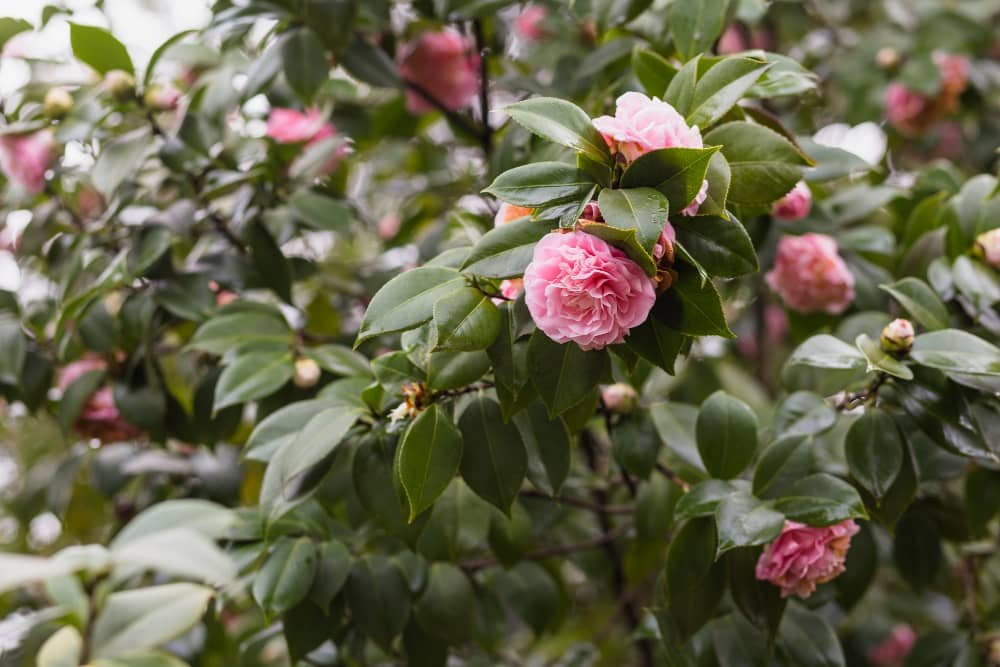
One of the most recognizable herbal teas associated with Bulgaria is Bulgarian Rose Tea. Made from the petals of the famous Rosa Damascena rose, this fragrant tea has attracted tea lovers around the world thanks to its unique aroma and strong connection to Bulgarian culture.
Bulgaria’s Valley of Roses is internationally known for its rose cultivation, and the country has become one of the world’s leading producers of rose products. As a result, Bulgarian Rose Tea is often one of the first herbal teas international visitors discover when exploring traditional Bulgarian flavors.
The tea has a delicate floral character with a naturally pleasant fragrance. Unlike stronger herbal infusions, Bulgarian Rose Tea is light, smooth, and subtly sweet, making it an enjoyable choice for both experienced tea drinkers and newcomers to herbal teas.
What Does Bulgarian Rose Tea Taste Like?
Bulgarian Rose Tea is often described as:
- Floral
- Light and delicate
- Naturally aromatic
- Mildly sweet
- Smooth and refreshing
Many people enjoy it on its own, while others pair it with honey or blend it with other herbs for additional flavor.
This tea remains one of the most popular Bulgarian teas abroad because it combines a distinctive taste with a rich cultural heritage that is closely linked to Bulgaria’s famous rose-growing traditions.
Linden Tea
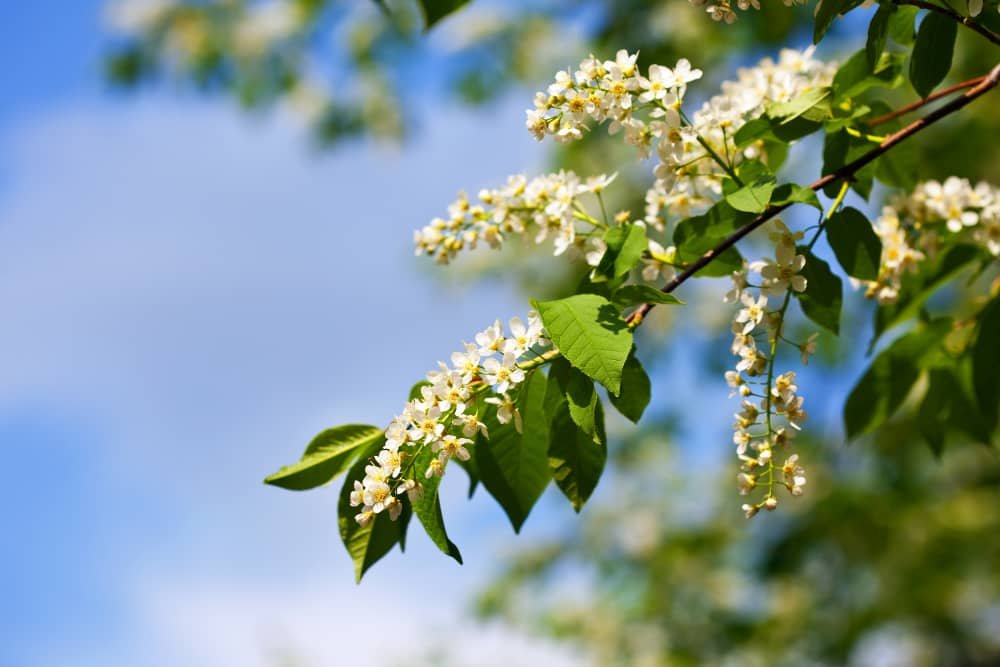
Linden tea is one of the most cherished herbal teas in Bulgaria and remains a favorite among Bulgarians living abroad. Made from the fragrant blossoms of the linden tree, this traditional tea has been enjoyed for generations and is often associated with comfort, family traditions, and relaxing evenings at home.
Linden trees grow throughout Bulgaria, and many families have a long tradition of gathering and drying the blossoms during the summer months. Once dried, the flowers are used to prepare a light golden tea with a pleasant floral aroma and naturally mild flavor.
One reason linden tea remains popular abroad is its nostalgic connection to Bulgarian culture. For many people, a cup of linden tea brings back memories of grandparents, countryside gardens, and homemade herbal remedies passed down through generations.
What Does Linden Tea Taste Like?
Linden tea has a delicate flavor that is often described as:
- Light and floral
- Naturally sweet
- Smooth and soothing
- Mildly herbal
Its gentle taste makes it enjoyable on its own, though some people like to add a spoonful of honey for extra sweetness.
Today, linden tea continues to be one of the most popular Bulgarian teas abroad thanks to its pleasant flavor, comforting aroma, and deep roots in Bulgarian herbal traditions.
Learn more about this traditional herbal drink in our complete guide to Linden Tea Benefits, Side Effects, and Brewing Guide.
Bulgarian Mountain Tea (Mursalski Tea)
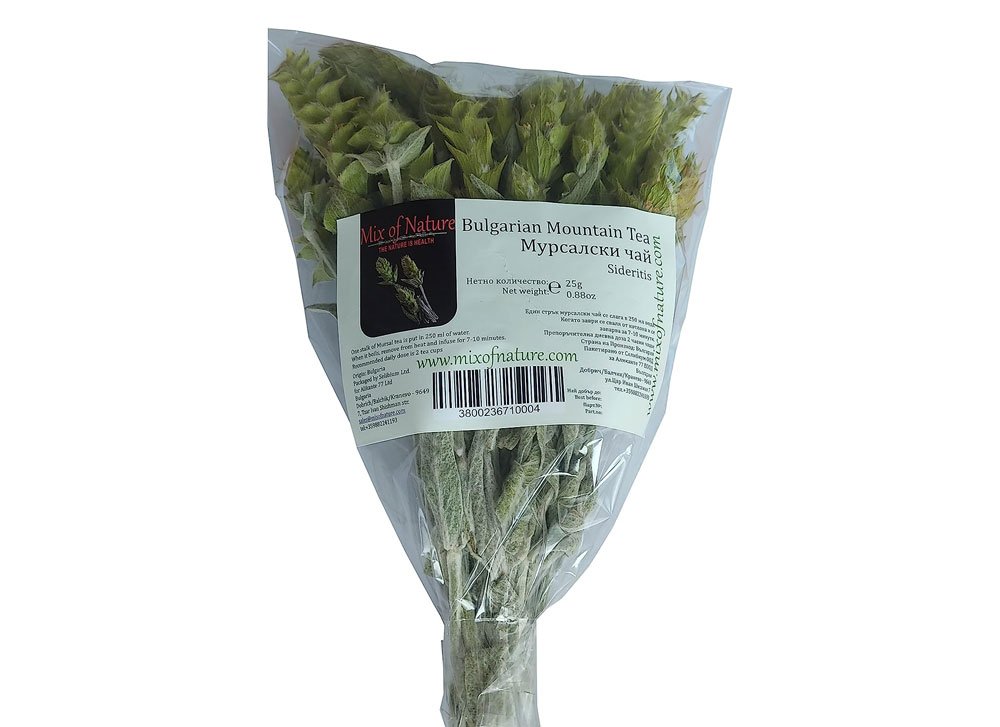
Bulgarian Mountain Tea, often called Mursalski Tea, is one of the most distinctive herbal teas associated with Bulgaria. Grown in the country’s mountainous regions, particularly the Rhodope Mountains, this traditional herbal infusion has become increasingly popular among tea enthusiasts both in Bulgaria and abroad.
Unlike many common herbal teas, Bulgarian Mountain Tea has a unique flavor profile that combines gentle floral notes with subtle earthy and herbal characteristics. Its pleasant aroma and smooth taste make it a favorite choice for those looking to explore traditional Balkan teas.
For many Bulgarians living overseas, Mursalski Tea represents an important part of their cultural heritage. It is often brought home from visits to Bulgaria or purchased from specialty Balkan food stores abroad. Its connection to the country’s mountain landscapes and long-standing tea traditions has helped make it one of the most recognizable Bulgarian herbal teas internationally.
What Does Bulgarian Mountain Tea Taste Like?
Bulgarian Mountain Tea is often described as:
- Mild and smooth
- Lightly floral
- Earthy and aromatic
- Slightly sweet
- Refreshing and balanced
Many people enjoy it on its own, while others add honey or lemon to complement its natural flavor.
Today, Bulgarian Mountain Tea remains one of the most popular Bulgarian teas abroad, appreciated for its distinctive taste, traditional roots, and strong connection to Bulgaria’s mountain regions.
Discover more about this unique mountain herb in Mursal Tea Benefits: Bulgaria’s Ancient Mountain Herb Explained.
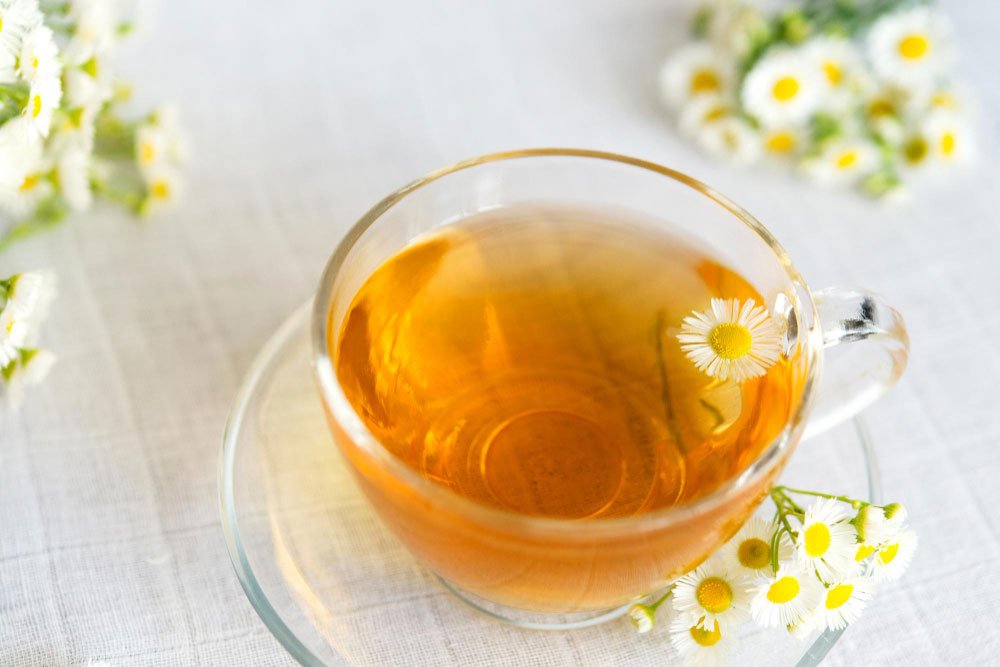
Chamomile Tea
Chamomile tea is one of the most popular herbal teas in Bulgaria and has been enjoyed for generations. Made from the small daisy-like flowers of the chamomile plant, this gentle herbal infusion is a common sight in Bulgarian homes and remains a favorite among Bulgarians living abroad.
Its popularity comes from both its pleasant flavor and its long history in traditional Bulgarian herbal culture. Many families keep dried chamomile flowers on hand and prepare a warm cup of tea whenever they want something comforting and easy to drink.
Today, chamomile tea can be found in supermarkets, tea shops, and Bulgarian markets around the world. Its mild flavor and familiar aroma have helped make it one of the most recognized Bulgarian herbal teas internationally.
What Does Chamomile Tea Taste Like?
Chamomile tea is often described as:
- Light and floral
- Naturally mild
- Slightly sweet
- Smooth and delicate
- Easy to drink
Because of its gentle flavor, chamomile tea is commonly enjoyed without milk or sugar, although some people add a little honey.
For many Bulgarians abroad, a cup of chamomile tea offers a simple reminder of home and continues a tradition that has been passed down through generations.
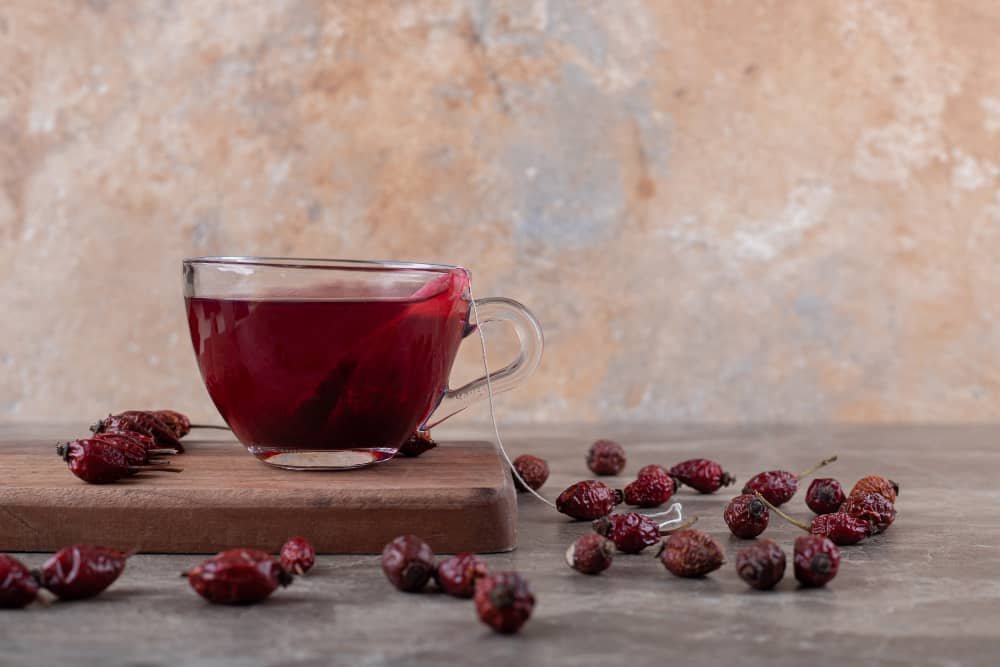
Rosehip Tea
Rosehip tea is one of the most popular Bulgarian teas abroad and has been enjoyed in Bulgaria for generations. Made from the fruit of wild rose bushes, this vibrant herbal tea is known for its deep reddish color and naturally fruity flavor.
In many Bulgarian households, rosehip tea is especially popular during the colder months. It has long been a staple of traditional home kitchens and is often served as a comforting warm drink during winter. Today, it remains a favorite among Bulgarians living abroad who want to enjoy a familiar taste of home.
The tea’s naturally tart and refreshing flavor has also helped it gain popularity with international tea lovers. Unlike many herbal teas, rosehip tea offers a fruity character that appeals to both casual tea drinkers and herbal tea enthusiasts.
What Does Rosehip Tea Taste Like?
Rosehip tea is often described as:
- Fruity and refreshing
- Slightly tart
- Mildly sweet
- Bright and vibrant
- Similar to cranberry or hibiscus tea
Many people enjoy rosehip tea on its own, while others add a little honey to balance its natural tartness.
Its distinctive flavor, beautiful color, and long-standing place in Bulgarian tea culture have made rosehip tea one of the most recognizable Bulgarian herbal teas around the world.
If you enjoy floral herbal teas, you may also like our guide to Bulgarian Rose Tea: Benefits, Uses, and Traditional Recipes.
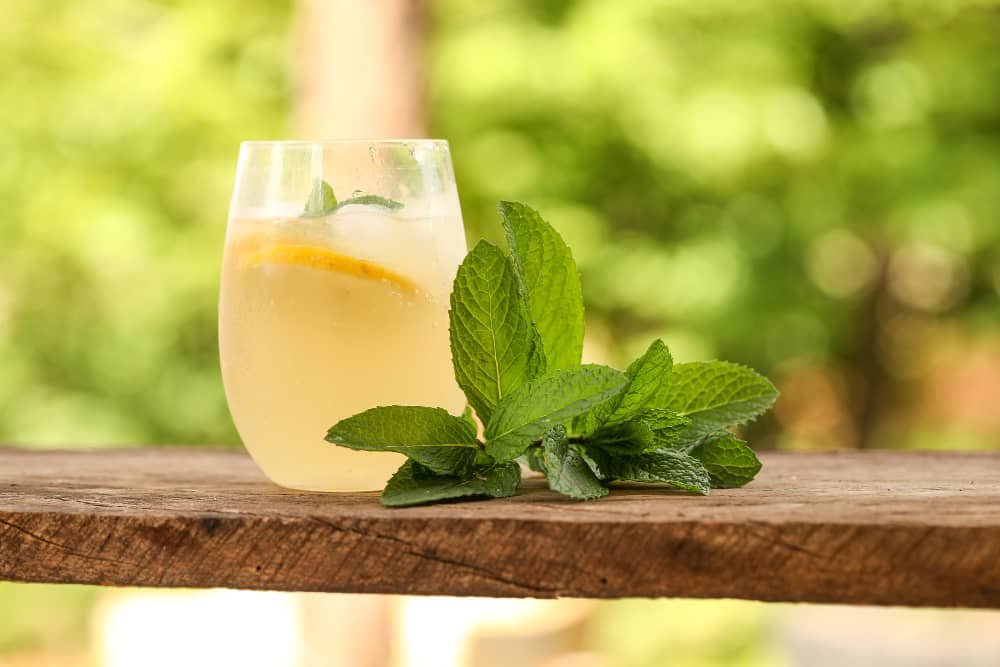
Lemon Balm Tea
Lemon balm tea is another traditional herbal tea that has become increasingly popular outside Bulgaria. Made from the leaves of the lemon balm plant (Melissa officinalis), this fragrant infusion is appreciated for its fresh citrus-like aroma and gentle herbal flavor.
Lemon balm grows well throughout Bulgaria and has been used in home gardens and traditional herbal preparations for generations. The herb is especially valued for its pleasant scent, which combines subtle lemon notes with a mild herbal character.
Today, lemon balm tea can be found in many tea shops, health food stores, and Balkan markets around the world. Its refreshing flavor and connection to traditional herbal tea culture have helped make it a favorite among people looking to explore Bulgarian herbal teas.
What Does Lemon Balm Tea Taste Like?
Lemon balm tea is often described as:
- Light and refreshing
- Mildly citrusy
- Smooth and herbal
- Naturally aromatic
- Slightly sweet
Its gentle flavor makes it enjoyable both hot and iced, especially during warmer months.
For many Bulgarians abroad, lemon balm tea remains a familiar and comforting drink that reflects the country’s long tradition of using locally grown herbs to create simple and flavorful teas.
Peppermint Tea
Peppermint tea is one of the most widely enjoyed herbal teas in Bulgaria and remains a popular choice among tea drinkers around the world. Made from the leaves of the peppermint plant, this refreshing infusion is known for its cooling aroma and clean, invigorating flavor.
Mint has been cultivated in Bulgaria for generations, and many families traditionally grow it in home gardens or gather it from the countryside. A warm cup of peppermint tea is often enjoyed after meals, during social gatherings, or simply as a refreshing beverage throughout the day.
Its pleasant taste and versatility have helped peppermint tea become one of the most recognizable Bulgarian herbal teas abroad. Whether served hot during winter or chilled during summer, it remains a favorite for people looking for a naturally caffeine-free drink.
What Does Peppermint Tea Taste Like?
Peppermint tea is often described as:
- Cool and refreshing
- Crisp and clean
- Lightly sweet
- Aromatic
- Smooth and invigorating
The tea has a naturally fresh flavor that many people find enjoyable without any added sweeteners.
Today, peppermint tea continues to be one of the most popular Bulgarian teas abroad thanks to its refreshing character, widespread availability, and long-standing role in traditional Bulgarian herbal tea culture.
How Bulgarians Traditionally Enjoy Herbal Tea
Bulgarian tea culture is rooted in simplicity, hospitality, and a strong connection to nature. For generations, families have gathered herbs from gardens, fields, and mountain regions, drying them for use throughout the year. Many households still keep jars of dried herbs on hand for preparing traditional teas whenever family or guests visit.
Unlike some tea cultures that focus on elaborate ceremonies, Bulgarian herbal tea is typically enjoyed in a relaxed and informal way. A warm cup of tea is often shared during conversations, family gatherings, or quiet evenings at home.
Many Bulgarians enjoy herbal tea:
- With breakfast or light snacks
- After meals
- During cold winter evenings
- While spending time with family and friends
- As a naturally caffeine-free alternative to coffee
Honey is one of the most common additions to Bulgarian herbal tea, especially during colder months. Some people also add a slice of lemon to enhance the flavor of teas such as rosehip, mint, or mountain tea.
Today, these traditions continue both in Bulgaria and among Bulgarian communities abroad, helping preserve a tea culture that has been passed down through generations.
Where To Buy Bulgarian Teas Abroad
As interest in traditional herbal teas continues to grow, finding Bulgarian teas outside of Bulgaria has become much easier. Many of the country’s most popular herbal teas are now available through specialty retailers, international grocery stores, and online tea shops.
Some of the best places to find Bulgarian teas abroad include:
- Balkan grocery stores
- Eastern European supermarkets
- Specialty tea retailers
- Organic and natural food stores
- Online herbal tea shops
- International food markets
When shopping for Bulgarian herbal teas, look for products that contain whole herbs, flowers, or fruits whenever possible. Many tea enthusiasts prefer loose-leaf varieties because they often provide a fresher aroma and fuller flavor than tea bags.
Popular options such as rosehip tea, chamomile tea, peppermint tea, and linden tea are usually the easiest to find. More specialized teas like Bulgarian Mountain Tea (Mursalski Tea) and Bulgarian Rose Tea may be available through Balkan specialty stores or online retailers that focus on traditional herbal products.
Whether you’re a Bulgarian living abroad or simply interested in exploring Balkan flavors, these teas offer a unique way to experience one of Europe’s richest herbal traditions.
How To Brew Bulgarian Herbal Teas
One of the reasons Bulgarian herbal teas remain so popular is their simplicity. Most traditional teas require only hot water and a few minutes of steeping to develop their characteristic aroma and flavor.
While brewing times may vary slightly depending on the herb, the basic process is straightforward.
Basic Brewing Method
- Bring fresh water to a boil.
- Add 1 to 2 teaspoons of dried herbs per cup of water.
- Pour the hot water over the herbs.
- Cover and steep for 5 to 10 minutes.
- Strain and serve.
Optional Additions
Many people enjoy Bulgarian herbal teas on their own, but some common additions include:
- Honey
- Lemon slices
- Fresh mint leaves
- Cinnamon sticks
Hot Or Iced?
Although most Bulgarian teas are traditionally served hot, several varieties also work well as iced teas. Rosehip tea, peppermint tea, and lemon balm tea can be chilled and served over ice for a refreshing summer beverage.
Experimenting with different brewing times can help you find the strength and flavor that best suits your preferences. Because most Bulgarian herbal teas are naturally caffeine-free, they can be enjoyed at any time of day.
Another popular Balkan herbal infusion worth exploring is Greek Mountain Tea Benefits and How to Brew It Properly.
Frequently Asked Questions
What is the most popular Bulgarian tea abroad?
Rosehip tea, linden tea, and Bulgarian Mountain Tea are among the most popular Bulgarian teas abroad. These traditional herbal teas are widely enjoyed for their distinctive flavors and strong connection to Bulgarian culture.
Are Bulgarian teas caffeinated?
Most traditional Bulgarian herbal teas are naturally caffeine-free because they are made from herbs, flowers, and fruits rather than tea leaves from the Camellia sinensis plant.
What is Bulgarian Mountain Tea?
Bulgarian Mountain Tea, also known as Mursalski Tea, is a traditional herbal tea grown in Bulgaria’s mountain regions. It is one of the country’s most distinctive and internationally recognized herbal infusions.
What does Bulgarian Rose Tea taste like?
Bulgarian Rose Tea has a delicate floral flavor with a fragrant aroma and subtle natural sweetness. It is often enjoyed on its own to appreciate its unique character.
Where can I buy Bulgarian teas outside Bulgaria?
Many Bulgarian teas can be found in Balkan grocery stores, Eastern European markets, specialty tea shops, health food stores, and online retailers that sell traditional herbal products.
What is the best Bulgarian tea for beginners?
Chamomile tea, peppermint tea, and rosehip tea are excellent choices for beginners because they are widely available and have approachable flavors that appeal to many tea drinkers.
For more traditional herbal drinks from the region, read Balkan Herbal Teas: A Delicious and Healthy Way to Relax.
Final Thoughts On Popular Bulgarian Teas Abroad
Bulgarian herbal teas have earned a loyal following around the world thanks to their unique flavors, rich traditions, and strong connection to nature. From the fruity character of rosehip tea to the floral aroma of linden blossoms and the distinctive taste of Bulgarian Mountain Tea, these beverages offer something for every tea lover.
Many of these teas have been enjoyed in Bulgarian homes for generations and continue to be cherished by Bulgarians living abroad. At the same time, growing international interest in herbal teas has introduced these traditional drinks to a wider audience.
Whether you’re exploring Bulgarian teas for the first time or reconnecting with flavors from home, these traditional herbal infusions offer a unique glimpse into Bulgaria’s rich herbal heritage. From fragrant rose petals to mountain-grown herbs, each cup tells a story of tradition, nature, and generations of tea-making culture.