
6 Popular Bulgarian Herbs Abroad

Bulgarian herbs have gained a strong reputation around the world thanks to the country’s rich biodiversity, clean mountain regions, and centuries-old herbal traditions. From soothing chamomile and fragrant lavender to nutrient-rich nettle and the famous Bulgarian rose, these plants are now used in teas, cosmetics, supplements, and wellness products worldwide.
Bulgaria is home to hundreds of herb species, many of which grow naturally in the country’s mountains, valleys, and meadows. The combination of fertile soil, favorable climate, and diverse landscapes creates ideal conditions for producing high-quality herbs with exceptional aroma and flavor.
If you’re interested in learning more about the country’s tea traditions, read our guide on Why Bulgarian Teas Are Becoming Popular Abroad.
Today, Bulgarian herbs are exported to more than 50 countries, with major markets including Germany, Switzerland, Italy, France, and Spain. Their popularity continues to grow as more people seek natural ingredients and traditional herbal products.
In this article, we’ll explore some of the most popular Bulgarian herbs abroad and discover why they continue to attract attention from tea enthusiasts, herbalists, and natural wellness brands worldwide.
Why Bulgarian Herbs Are Popular Abroad
Bulgarian herbs have earned a strong reputation worldwide thanks to the country’s unique combination of fertile soil, diverse landscapes, and favorable climate. From mountain meadows and forested regions to fertile valleys, Bulgaria provides ideal growing conditions for a wide variety of medicinal and aromatic plants.
Another reason for their popularity is Bulgaria’s long tradition of herbal use. For generations, people have relied on herbs for teas, culinary purposes, cosmetics, and traditional wellness practices. This deep-rooted knowledge has helped preserve many herbal traditions that continue to attract interest from consumers around the world.
Quality also plays an important role. Many Bulgarian herbs are harvested from clean mountain regions or grown using sustainable farming methods. Their natural aroma, flavor, and purity make them highly desirable ingredients for herbal teas, essential oils, supplements, and personal care products.
Today, Bulgarian herbs are enjoyed by people around the world and can be found in products sold across Europe, North America, and Asia. As interest in natural products continues to grow, these traditional herbs remain among Bulgaria’s most valuable botanical treasures.
Popular Bulgarian Herbs Abroad
Bulgaria is one of Europe’s richest countries when it comes to medicinal and aromatic plants. Around 770 plant species found in the country are known for their traditional medicinal uses, representing nearly 20% of Bulgaria’s entire flora. Most of these plants grow wild, reflecting the remarkable biodiversity found throughout the country.
Herbs have played an important role in Bulgarian culture for generations. Long before modern medicine became widely available, local communities relied on herbal teas, natural remedies, and plant-based preparations as part of their daily lives. This knowledge has been passed down through families and continues to influence Bulgarian traditions today.
From the Rhodope Mountains and the Balkan Mountains to fertile valleys and rolling countryside, Bulgaria’s diverse landscapes create ideal conditions for many herbs to thrive. Combined with centuries of herbal expertise, these favorable growing conditions have helped Bulgarian herbs earn a reputation for quality and purity around the world.
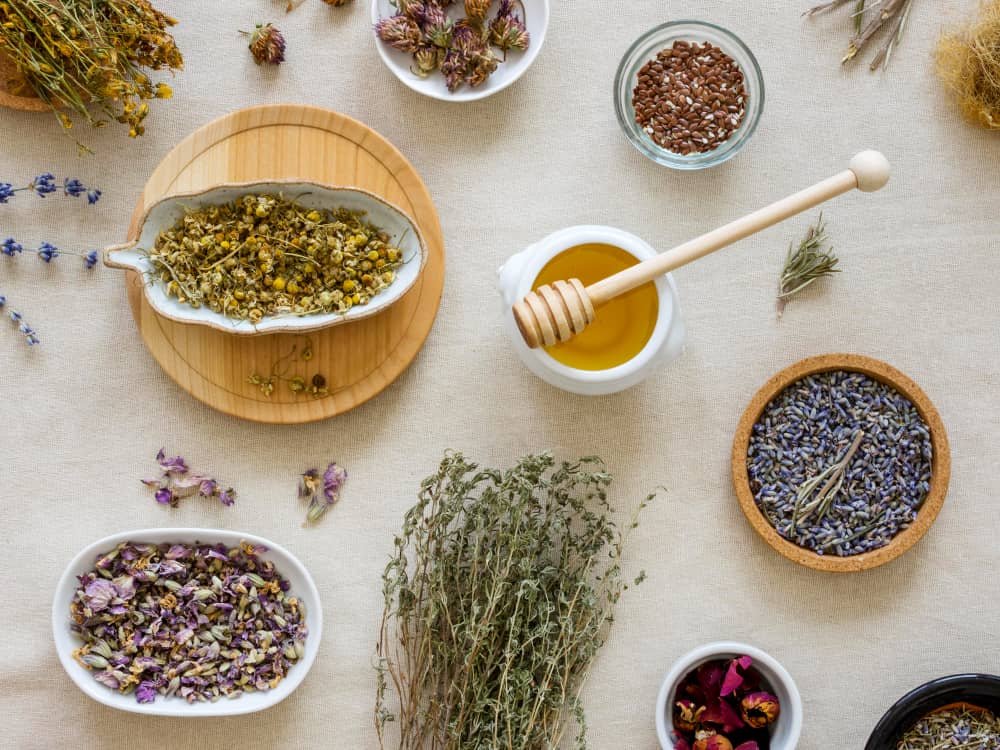
Today, Bulgarian herbs can be found in products sold around the world, from herbal teas and supplements to skincare products, essential oils, and cosmetics. Below are some of the most popular Bulgarian herbs abroad and the reasons they continue to attract global attention.
Nettle
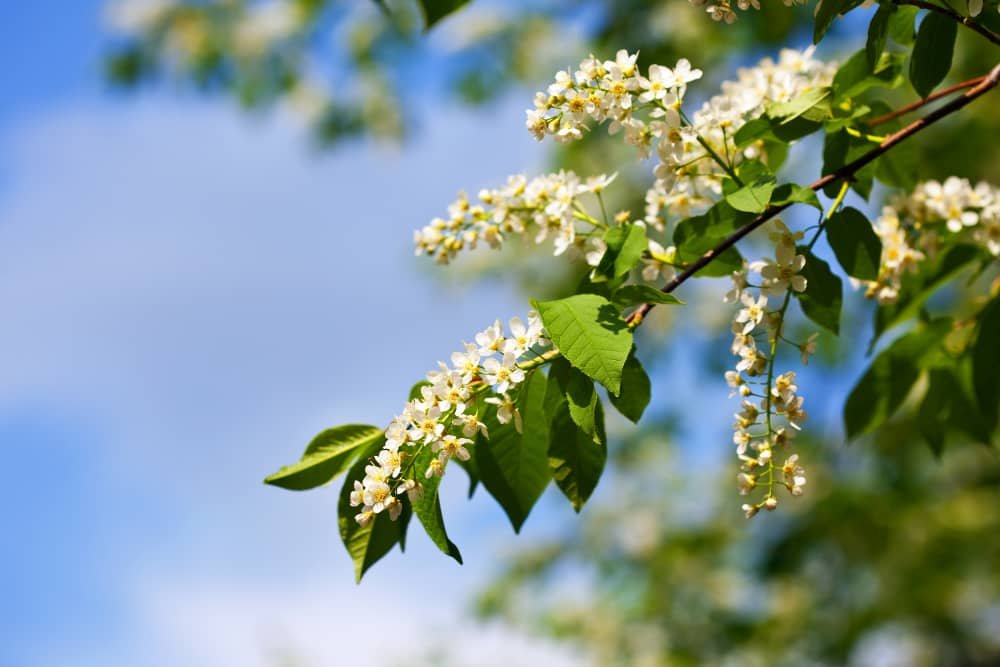
Nettle is one of the most widely used herbs in Bulgaria and has gained popularity in many countries around the world. Known scientifically as Urtica dioica, this nutrient-rich plant has been part of traditional herbal practices for generations and remains a favorite ingredient in teas, supplements, and natural wellness products.
One reason nettle is so highly valued is its impressive nutritional profile. The leaves naturally contain vitamins A, C, and K, along with minerals such as iron, calcium, and magnesium. Because of this, nettle is often included in herbal blends and enjoyed as a nourishing caffeine-free tea.
In Bulgaria, nettle is used for much more than tea. The young leaves are commonly added to soups, stews, and traditional spring recipes. Its mild earthy flavor and versatility have helped make it a staple in Bulgarian cuisine and herbal culture.
Today, nettle continues to be one of the most popular Bulgarian herbs abroad, appreciated for its long history of traditional use, nutritional value, and versatility in both food and herbal preparations.
Want to learn more about this versatile herb? See our complete guide to Nettle Tea Benefits: Nutrition, Uses, and Side Effects.
Milk Thistle
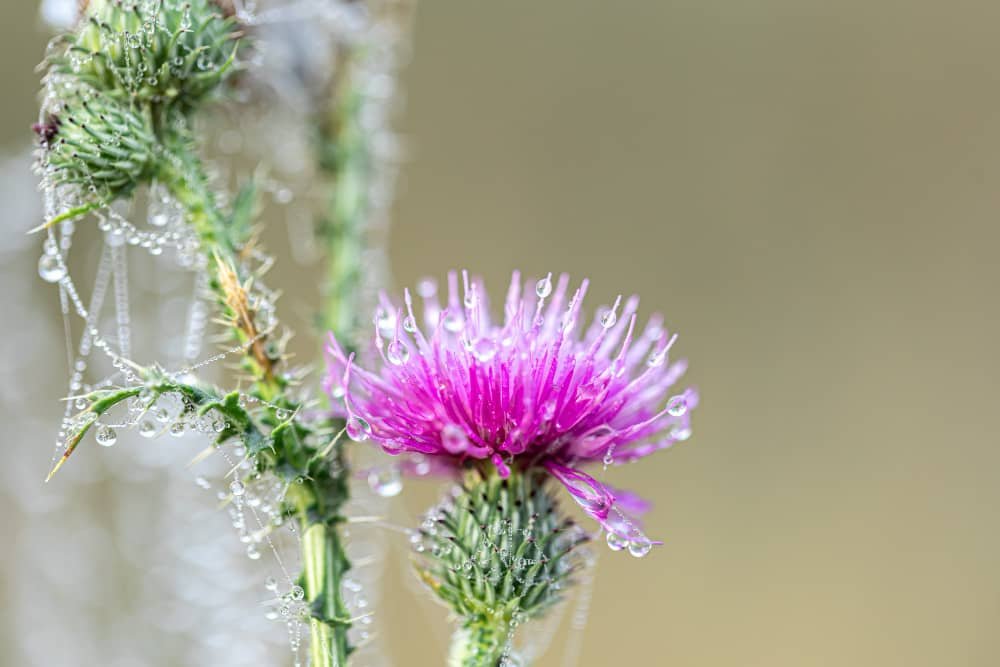
Milk thistle is another well-known herb that has been used in Bulgaria for generations. Scientifically known as <em>Silybum marianum</em>, this distinctive plant is recognized by its purple flowers and spiny leaves and is widely valued in traditional herbal practices.
Milk thistle has earned international recognition thanks to its long history of use and the presence of a natural compound called silymarin, which is found in its seeds. Because of this, it is commonly included in herbal teas, extracts, supplements, and wellness products around the world.
In Bulgaria, milk thistle is appreciated as part of the country’s rich herbal heritage and is often cultivated alongside other medicinal plants. Its growing popularity abroad has made it one of the most recognizable Bulgarian herbs on international markets.
Today, milk thistle continues to be exported to many countries where it is valued by herbal enthusiasts and natural wellness brands. Its long tradition of use and strong reputation have helped make it one of the most popular Bulgarian herbs abroad.
Lavender
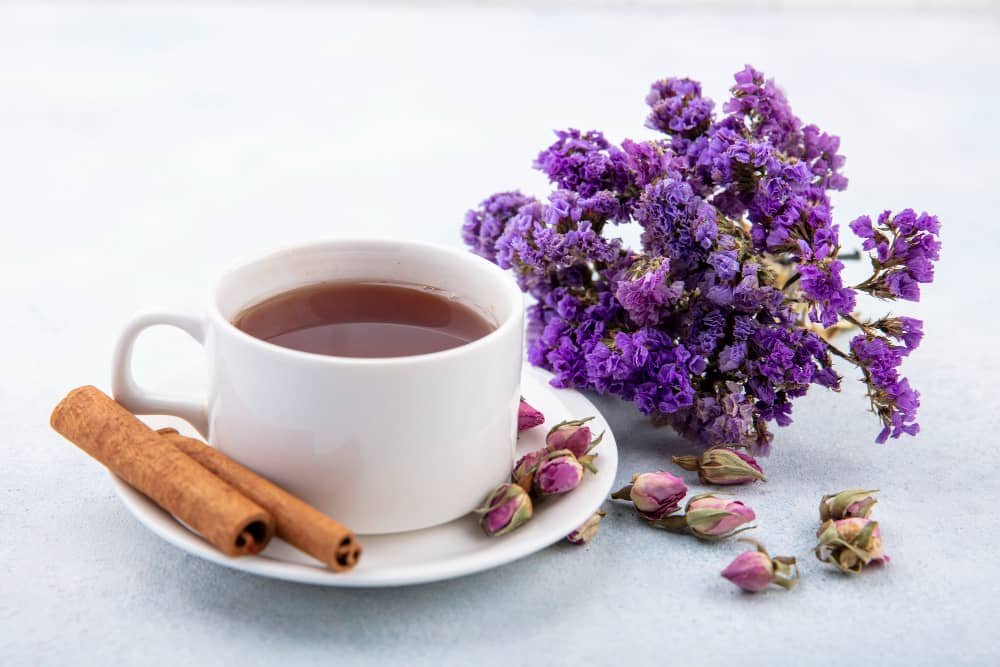
Lavender is one of Bulgaria’s most famous aromatic plants and has become a symbol of the country’s rich herbal tradition. Known for its vibrant purple flowers and distinctive floral fragrance, lavender is widely used in teas, cosmetics, essential oils, and wellness products around the world.
The favorable climate and fertile soil found in many parts of Bulgaria create excellent growing conditions for lavender. Over the years, the country has built a strong reputation for producing high-quality lavender, with vast fields attracting visitors during the blooming season.
Today, Bulgaria is among the world’s leading producers of lavender oil, a valuable ingredient used in perfumes, skincare products, soaps, candles, and aromatherapy. The exceptional quality and aroma of Bulgarian lavender have helped it gain recognition on international markets.
Whether enjoyed as a fragrant herbal tea or used in beauty and wellness products, lavender remains one of the most popular Bulgarian herbs abroad and an important part of Bulgaria’s agricultural heritage.
If you enjoy lavender tea, you may also like our article on Lavender Tea Benefits and How to Brew It.
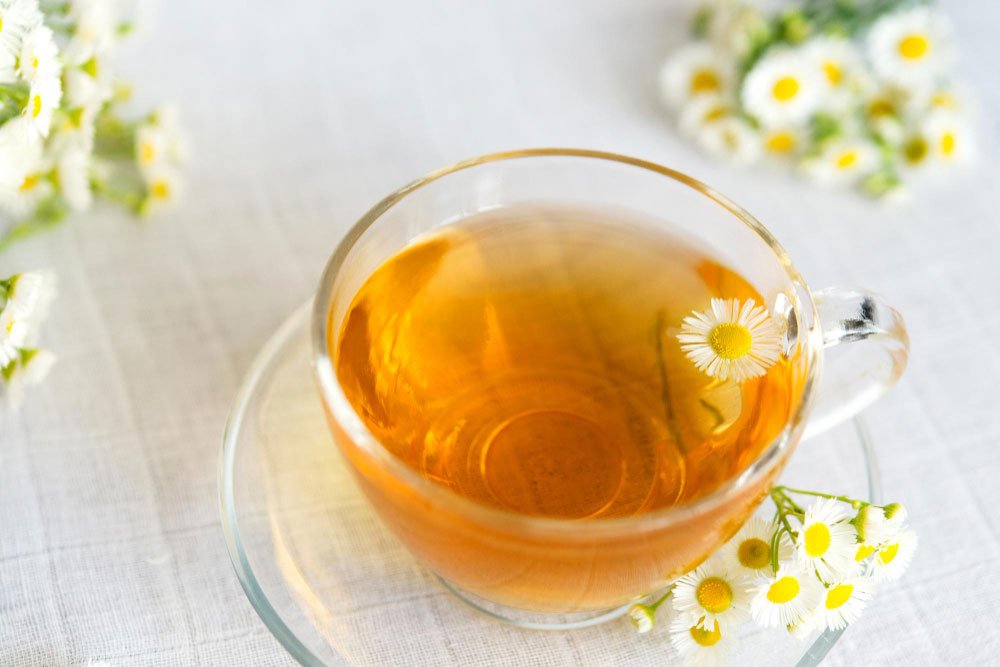
Chamomile
Chamomile is one of the most beloved herbs in Bulgaria and has been enjoyed for generations as a traditional herbal tea. Recognized by its small white flowers and gentle floral aroma, chamomile remains a staple in many Bulgarian households.
Its mild flavor and naturally caffeine-free nature have made chamomile one of the most popular herbal teas worldwide. Many people enjoy a warm cup of chamomile tea as part of their evening routine or whenever they want a soothing and comforting beverage.
In Bulgaria, chamomile grows naturally in many regions and is commonly harvested for use in teas, herbal blends, and personal care products. Its pleasant fragrance and long history of traditional use have contributed to its lasting popularity both at home and abroad.
Today, chamomile is exported to numerous countries and is widely used in teas, cosmetics, skincare products, and wellness preparations, making it one of the most popular Bulgarian herbs abroad.
Chamomile is just one of many traditional herbal teas enjoyed throughout the region. Discover more in The Top Balkan Teas to Try.
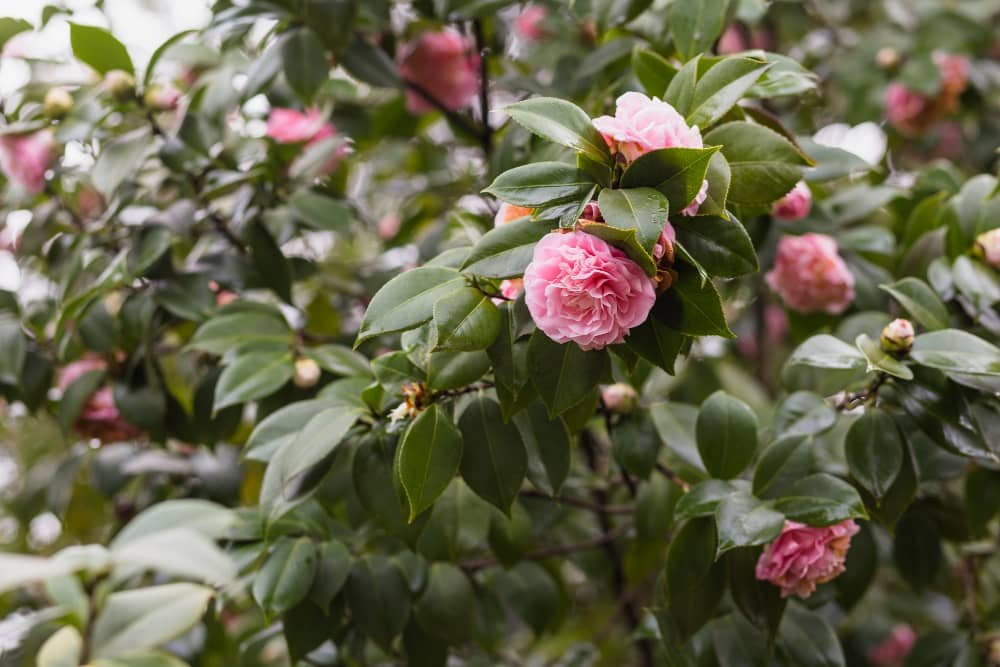
Rosa Damascena
Rosa Damascena, commonly known as the Bulgarian rose, is one of the country’s most famous botanical treasures. Grown primarily in the world-renowned Rose Valley, this fragrant flower has become a symbol of Bulgaria’s natural heritage and is recognized worldwide for its exceptional aroma.
The cultivation of Rosa Damascena in Bulgaria dates back more than three centuries. The region’s unique combination of fertile soil, mild climate, and favorable growing conditions helps produce roses with an exceptionally rich fragrance, making Bulgarian rose products highly sought after around the world.
Each spring, rose petals are carefully harvested during the early morning hours when their scent is at its strongest. These petals are then used to produce rose oil, rose water, teas, cosmetics, perfumes, and skincare products. Bulgarian rose oil is especially prized by the fragrance industry and is often considered among the finest in the world.
Today, Rosa Damascena remains one of the most popular Bulgarian herbs abroad and continues to play an important role in Bulgaria’s culture, agriculture, and export economy.
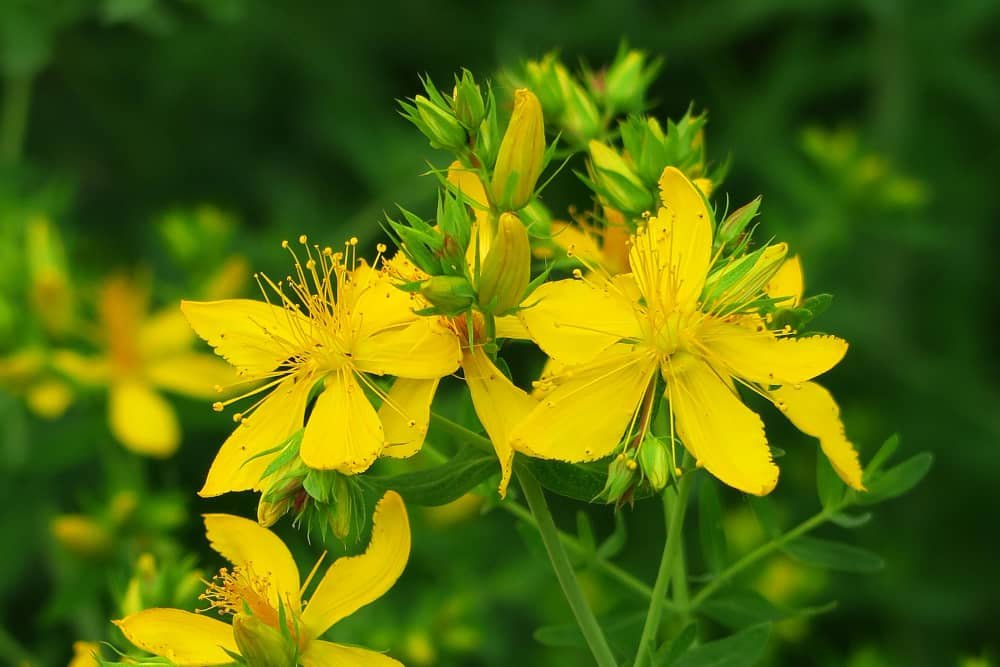
St. John’s wort
St. John’s wort is another well-known herb that has been used in Bulgaria for generations. Scientifically known as <em>Hypericum perforatum</em>, this flowering plant is easily recognized by its bright yellow blossoms that bloom throughout the summer months.
For centuries, St. John’s wort has held an important place in European herbal traditions and remains one of the most widely recognized medicinal plants. In Bulgaria, it is commonly used in herbal teas, tinctures, oils, and traditional herbal preparations.
The herb has attracted international attention due to its long history of use and its presence in a variety of herbal wellness products. As interest in traditional herbal remedies continues to grow, St. John’s wort remains one of the most sought-after Bulgarian herbs on global markets.
However, it is important to note that St. John’s wort may interact with certain medications. Anyone considering its use should consult a healthcare professional, especially if they are taking prescription medications.
How Bulgaria Became A Leading Herb Exporter
Bulgaria has established itself as one of Europe’s leading producers and exporters of medicinal and aromatic plants. The country’s fertile soil, varied landscapes, and favorable climate create ideal conditions for growing high-quality medicinal and aromatic plants.
Many Bulgarian herbs are harvested from mountain regions and rural areas where traditional cultivation and collection practices have been preserved for generations. This long history of herbal knowledge has helped Bulgaria build a strong reputation in international markets.
Many Bulgarian herbs grow in protected natural habitats that help preserve the country’s biodiversity. Learn more about the NATURA 2000 Network and its role in protecting important ecosystems across Europe.
Today, a significant portion of the country’s herb production is exported abroad. Bulgarian herbs can be found in teas, supplements, cosmetics, essential oils, and natural wellness products sold throughout Europe and beyond. Germany, Switzerland, Italy, France, and Spain are among the largest importers of Bulgarian herbs.
The growing global demand for natural products has further increased interest in Bulgarian herbs. Consumers and manufacturers alike appreciate their quality, authenticity, and connection to centuries-old herbal traditions. As a result, Bulgaria continues to play an important role in supplying herbal ingredients to markets around the world.
To explore more traditional herbal drinks from the region, read Balkan Herbal Teas: A Delicious and Healthy Way to Relax.
Frequently Asked Questions
What Are The Most Popular Bulgarian Herbs?
Some of the most popular Bulgarian herbs include nettle, milk thistle, lavender, chamomile, St. John’s wort, and Rosa Damascena, also known as the Bulgarian rose. These herbs are widely used in teas, cosmetics, essential oils, and wellness products around the world.
Why Are Bulgarian Herbs So Highly Valued?
Bulgarian herbs are valued for their quality, aroma, and purity. The country’s diverse landscapes, favorable climate, and long tradition of herb cultivation create ideal growing conditions for medicinal and aromatic plants.
Which Countries Import Bulgarian Herbs?
Bulgarian herbs are exported to more than 50 countries. Some of the largest markets include Germany, Switzerland, Italy, France, and Spain, where they are used in herbal teas, supplements, cosmetics, and natural wellness products.
Can Bulgarian Herbs Be Used For Tea?
Yes. Many Bulgarian herbs are commonly prepared as herbal teas. Chamomile, nettle, lavender, and St. John’s wort are among the most popular herbs used for traditional herbal infusions.
What Is Bulgaria Most Famous For Producing?
Bulgaria is especially famous for producing Rosa Damascena, commonly known as the Bulgarian rose. The country is also recognized worldwide for its high-quality lavender oil and its extensive production of medicinal and aromatic herbs.
Many of Bulgaria’s medicinal plants can also be found growing naturally throughout the Balkans. Learn more in Wild Herbs of the Balkans You Should Know About.