
Albanian Mountain Tea Benefits

Albanian Mountain Tea is one of the most popular traditional herbal teas in the Balkans. Made from plants in the Sideritis family that grow in the mountainous regions of Albania, this caffeine-free tea has been enjoyed for generations for its pleasant flavor and traditional wellness benefits.
Known for its light floral aroma and earthy taste, Albanian Mountain Tea is often consumed as a daily beverage or during the colder months. Many people drink it for its antioxidant content, digestive support, and calming qualities. As interest in natural herbal remedies continues to grow, more tea enthusiasts are discovering the many Albanian Mountain Tea benefits that have made this mountain herb a staple in Balkan households for centuries.
If you’re interested in similar traditional herbal beverages, be sure to read our guide to Greek Mountain Tea Benefits and How to Brew It Properly.
In this guide, we’ll explore the history, flavor, potential health benefits, brewing methods, and traditional uses of Albanian Mountain Tea.
What Is Albanian Mountain Tea?
Albanian Mountain Tea is a traditional herbal tea made from plants in the Sideritis genus, a group of flowering herbs that thrive in the rugged mountain regions of Albania and throughout the Balkans. Often referred to simply as mountain tea, this naturally caffeine-free beverage has been enjoyed for generations as part of the region’s rich herbal traditions.
The name Sideritis comes from the Greek word for “iron,” and these hardy plants are well adapted to rocky, high-altitude environments. The stems, leaves, and flowers are harvested and dried before being brewed into a fragrant herbal infusion with a mild floral flavor and earthy undertones.
For centuries, Albanian families have consumed mountain tea not only for its pleasant taste but also for its traditional wellness uses. The herb contains naturally occurring antioxidants, flavonoids, and other plant compounds that have attracted growing scientific interest in recent years. While research is ongoing, mountain tea remains a popular choice among herbal tea enthusiasts seeking a soothing and caffeine-free beverage.
The herb contains naturally occurring antioxidants, flavonoids, and other plant compounds that have attracted growing scientific interest in recent years. You can learn more about research on Sideritis species through the National Center for Biotechnology Information (NCBI).
Today, Albanian Mountain Tea is enjoyed both locally and internationally by people looking to explore authentic Balkan herbal traditions. Whether served hot during the winter months or enjoyed year-round as a relaxing herbal drink, it remains one of Albania’s most cherished natural teas.
Affiliate Disclosure: As an Amazon Associate and participant in other affiliate programs, Balkan Teas may earn a commission from qualifying purchases made through links on this page. This comes at no additional cost to you and helps support our work in sharing traditional tea knowledge, brewing guides, and herbal tea reviews.
Best Albanian Mountain Tea Products
| Product | Type | Best For | Buy |
|---|---|---|---|
| Organic Sideritis Mountain Tea | Loose Leaf | Traditional Flavor | Check Price on Amazon |
| Mountain Tea Tea Bags | Tea Bags | Convenience | Check Price on Amazon |
| Wild Harvested Sideritis Tea | Premium Loose Leaf | Tea Enthusiasts | Check Price on Amazon |
History Of Albanian Mountain Tea
The history of Albanian Mountain Tea stretches back hundreds of years and is deeply connected to the country’s mountainous landscapes and traditional herbal practices. Long before modern medicine became widely available, people living in rural Albanian villages relied on locally gathered herbs to prepare teas, remedies, and tonics for everyday wellness.
Among the most valued of these herbs were the various Sideritis species that grow naturally in high-altitude regions throughout the Balkans. Shepherds, farmers, and mountain communities would harvest the flowering stems during the summer months, carefully drying them for use throughout the year.
Albanian Mountain Tea became especially popular during the colder seasons when families gathered around warm cups of herbal tea. It was commonly consumed after meals, during social visits, and as part of traditional home remedies passed down through generations.
The tea’s popularity extends beyond Albania and can also be found in neighboring Balkan countries, where similar mountain tea traditions have existed for centuries. Despite regional differences in preparation methods and local plant varieties, the appreciation for mountain tea remains a shared part of Balkan culture.
While it remains a beloved drink in Albania, Albanian Mountain Tea is also gaining popularity among herbal tea lovers around the world. Its combination of traditional heritage, unique flavor, and connection to nature has helped preserve its place as one of the Balkans’ most beloved herbal beverages.
Albanian Mountain Tea Benefits
Herbal teas have been enjoyed for centuries across many cultures, and Albanian Mountain Tea is no exception. Made from plants in the Sideritis genus that grow in the mountainous regions of the Balkans, this traditional herbal infusion has earned a reputation for its pleasant taste and potential wellness benefits.
Rich in naturally occurring antioxidants and plant compounds, Albanian Mountain Tea has attracted increasing interest from both researchers and herbal tea enthusiasts. While many traditional uses are based on centuries of folk knowledge, modern studies have begun exploring some of the properties found in various Sideritis species.
Rich In Antioxidants
One of the most notable Albanian Mountain Tea benefits is its antioxidant content. Antioxidants help protect cells from oxidative stress caused by free radicals, making them an important part of a balanced diet.
Some laboratory and animal studies have investigated compounds found in Sideritis species for their potential biological activities, including antioxidant and cell-protective effects. However, more human studies are needed before any conclusions can be made regarding disease prevention or treatment.
For another mountain herb cherished throughout the Balkans, see Mursal Tea Benefits: Bulgaria’s Ancient Mountain Herb Explained.
May Support Heart Health
Some research has explored the potential cardiovascular benefits of compounds found in Sideritis plants. While more studies are needed, mountain tea is often included as part of a heart-conscious lifestyle that emphasizes healthy dietary choices.
May Support Healthy Digestion
Traditionally, Albanian Mountain Tea has been consumed after meals to promote digestive comfort. Many people find that a warm cup of herbal tea can be a soothing addition to their daily routine.
If you enjoy herbal teas traditionally consumed after meals, you may also like Linden Tea Benefits, Side Effects, and Brewing Guide.
Naturally Caffeine-Free
Unlike coffee and many traditional teas, Albanian Mountain Tea contains no caffeine. This makes it a popular choice for those seeking a relaxing beverage any time of day.
May Help Support Immune Function
Mountain tea has long been enjoyed during seasonal changes and colder months. Its antioxidant-rich profile has contributed to its reputation as a traditional wellness beverage throughout the Balkans.
May Help Maintain Cognitive Function
Researchers have shown growing interest in the potential cognitive-supporting properties of various Sideritis species. Although research is still ongoing, this area remains one of the most intriguing aspects of mountain tea.
Traditionally Used For Seasonal Wellness
For generations, Albanian families have brewed mountain tea during the winter season, often pairing it with honey and lemon as part of traditional household practices.
May Help Support A Healthy Inflammatory Response
Certain plant compounds found in Sideritis species have been studied for their potential role in supporting the body’s natural inflammatory processes. More research is needed, but this remains an active area of scientific interest.
Easy To Include In A Healthy Lifestyle
One of the most practical Albanian Mountain Tea benefits is that this traditional herbal tea can easily fit into a healthy daily routine. Whether enjoyed in the morning, after meals, or before bedtime, this traditional Balkan herbal tea can easily become part of a healthy and enjoyable daily routine.
What Does Albanian Mountain Tea Taste Like?
One reason Albanian Mountain Tea has remained popular for generations is its pleasant and approachable flavor. Unlike some herbal teas that can be bitter or overpowering, mountain tea offers a mild, smooth taste that many people find easy to enjoy.
The flavor is often described as a combination of floral, earthy, and slightly sweet notes. Depending on the specific Sideritis species and growing conditions, some cups may also have subtle hints of citrus, honey, or wild herbs. The aroma is gentle and refreshing, making it a relaxing beverage to sip throughout the day.
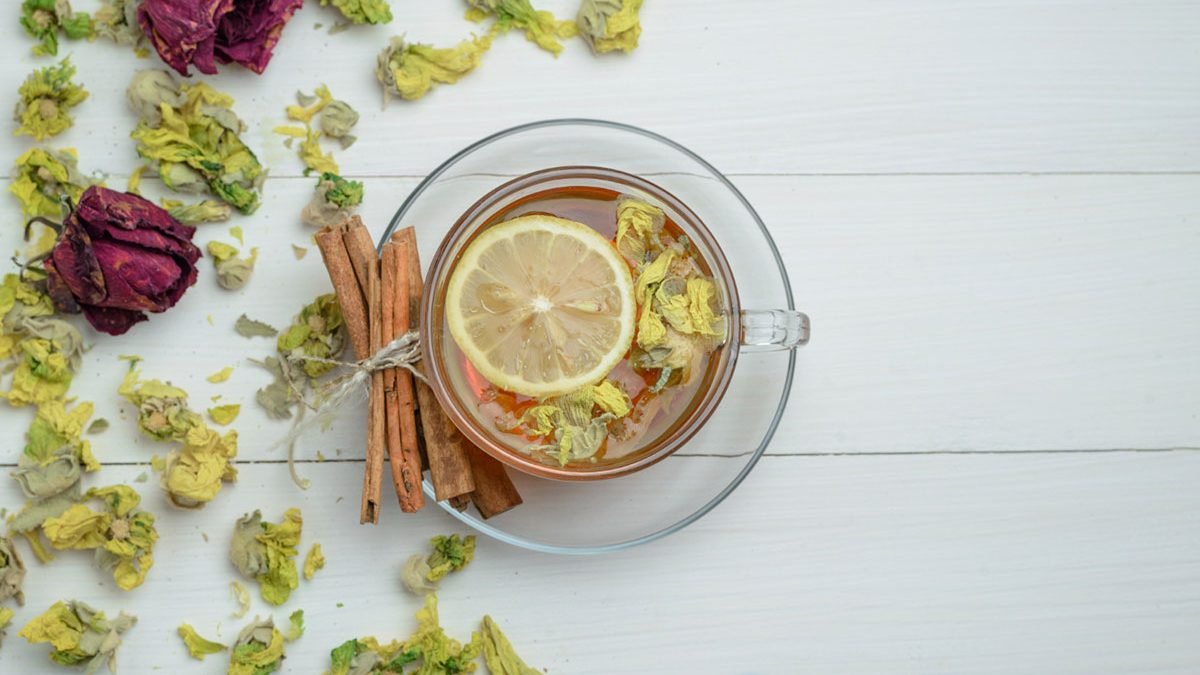
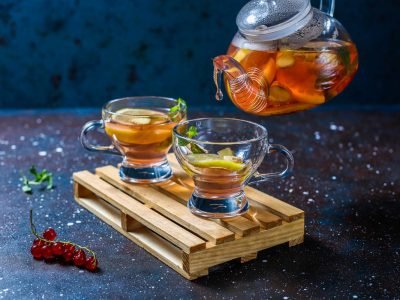
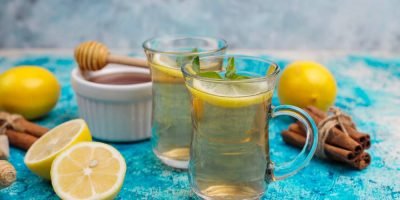
Because Albanian Mountain Tea is naturally caffeine-free and not overly strong, it pairs well with a variety of additions. Many people enjoy it plain to appreciate its natural flavor, while others add a slice of lemon, a spoonful of honey, or a few fresh mint leaves for extra taste.
Flavor Profile At A Glance
| Characteristic | Description |
|---|---|
| Aroma | Floral and herbal |
| Taste | Mild, earthy, slightly sweet |
| Bitterness | Very low |
| Body | Light to medium |
| Caffeine | Naturally caffeine-free |
Whether you’re new to herbal teas or already a tea enthusiast, Albanian Mountain Tea offers a balanced flavor that is both comforting and refreshing. Its gentle taste is one of the reasons it remains a beloved beverage throughout Albania and the wider Balkan region.

Brewing Albanian Mountain Tea is simple and requires only a few ingredients. Traditional preparation methods focus on allowing the dried stems, leaves, and flowers of the Sideritis plant to release their natural flavors and aromas gradually.
Ingredients
- 1 tablespoon dried Albanian Mountain Tea
- 1 cup (8–10 ounces) water
- Honey, lemon, or mint (optional)
Instructions
- Bring the water to a gentle boil.
- Add the dried mountain tea to the water.
- Reduce the heat and allow the tea to simmer for 3–5 minutes.
- Remove from heat and let it steep for an additional 5 minutes.
- Strain the tea into a cup.
- Add honey, lemon, or mint if desired.
- Serve warm and enjoy.
Brewing Tips
- Use filtered water for the cleanest flavor.
- Cover the pot while steeping to help preserve the tea’s aromatic compounds.
- Adjust the steeping time to achieve your preferred strength.
- Avoid overbrewing, which may create a stronger herbal taste.
- For a more traditional Balkan experience, serve the tea with a spoonful of honey and a slice of lemon.
Can You Drink It Cold?
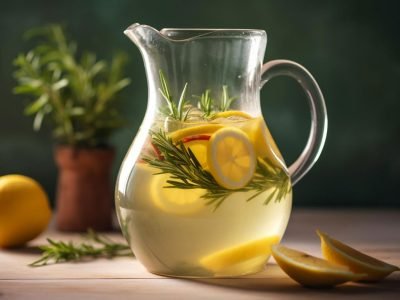
Yes. While Albanian Mountain Tea is traditionally served hot, it can also be enjoyed as a refreshing iced herbal tea during warmer months. Simply brew the tea as usual, allow it to cool, and serve over ice. Adding fresh lemon or mint can create an even more refreshing summer drink.
With its simple preparation and pleasant flavor, Albanian Mountain Tea is an easy herbal beverage to enjoy throughout the year.
Best Ways To Enjoy Albanian Mountain Tea
One of the advantages of Albanian Mountain Tea is its versatility. Whether you prefer a simple cup of herbal tea or enjoy experimenting with different flavors, there are many ways to make this traditional Balkan beverage part of your daily routine.
Enjoy It Plain
Many tea enthusiasts prefer drinking Albanian Mountain Tea without any additions. This allows the natural floral, earthy, and slightly sweet flavors of the herb to shine through.
Add Honey For Natural Sweetness
A spoonful of honey is one of the most common additions to mountain tea throughout the Balkans. Honey complements the tea’s mild herbal flavor and creates a soothing, comforting beverage.
Add Fresh Lemon
Lemon adds brightness and a touch of acidity that pairs well with the tea’s earthy notes. Many people enjoy this combination during the colder months or whenever they want a refreshing twist.
Pair It With Breakfast
Because it is naturally caffeine-free and gentle on the palate, Albanian Mountain Tea pairs well with light breakfasts such as toast, yogurt, fruit, or pastries.
Enjoy It After Meals
In many Balkan households, mountain tea is traditionally served after meals as a relaxing beverage that can be enjoyed while spending time with family and friends.
Serve It As An Iced Tea
During warmer weather, brewed Albanian Mountain Tea can be chilled and served over ice. Adding lemon slices, mint leaves, or a small amount of honey can create a refreshing summer drink.
Make It Part Of Your Evening Routine
Since it contains no caffeine, Albanian Mountain Tea can be enjoyed in the evening without the stimulating effects associated with coffee or traditional teas. Many people appreciate a warm cup as part of a relaxing nighttime routine.
Whether you enjoy it hot on a cold winter evening or iced during summer, Albanian Mountain Tea is a simple and enjoyable way to experience one of the Balkans’ most cherished herbal traditions.
Potential Side Effects And Precautions
Albanian Mountain Tea is generally considered a safe herbal beverage for most healthy adults when consumed in moderation. It has been enjoyed throughout the Balkans for generations and is commonly used as part of a balanced lifestyle.
However, as with any herbal tea, there are a few precautions to keep in mind.
Allergic Reactions
Although uncommon, some individuals may be sensitive to plants in the Sideritis genus or related herbs. If you experience itching, swelling, digestive discomfort, or any unusual symptoms after drinking the tea, discontinue use and consult a healthcare professional.
Pregnancy And Breastfeeding
There is limited research regarding the use of Albanian Mountain Tea during pregnancy and breastfeeding. Individuals who are pregnant, nursing, or planning to become pregnant should consult their healthcare provider before regularly consuming herbal teas.
Medication Interactions
People taking prescription medications or managing chronic health conditions should speak with a healthcare professional before adding large amounts of any herbal tea to their routine. This is especially important when trying a new herbal product.
Moderation Is Best
While Albanian Mountain Tea is widely enjoyed as a daily beverage, moderation is generally recommended. Most people choose to enjoy one to three cups per day as part of a varied and balanced diet.
Choose Quality Tea Sources
For the best experience, purchase Albanian Mountain Tea from reputable suppliers that properly harvest, dry, and package the herbs. High-quality tea not only provides better flavor but also helps ensure freshness and consistency.
For most tea drinkers, Albanian Mountain Tea is a pleasant and well-tolerated herbal beverage. When enjoyed responsibly, it can be a flavorful addition to a healthy lifestyle. If you find the flavor too bold, consider adding a small amount of honey or a slice of lemon to create a smoother and more balanced cup.
Albanian Mountain Tea vs Greek Mountain Tea
Albanian Mountain Tea and Greek Mountain Tea are closely related herbal beverages that come from plants within the Sideritis genus. Both have been enjoyed for centuries throughout the Balkans and Mediterranean region, and they share many similarities in flavor, appearance, and traditional use.
Despite their similarities, there are some differences based on the specific plant species, growing conditions, and regional traditions used to prepare the tea.
| Feature | Albanian Mountain Tea | Greek Mountain Tea |
|---|---|---|
| Plant Genus | Sideritis | Sideritis |
| Origin | Albania and the Balkans | Greece |
| Caffeine | Naturally caffeine-free | Naturally caffeine-free |
| Flavor | Earthy, floral, mildly sweet | Floral, slightly sweeter |
| Traditional Use | Daily herbal beverage | Daily herbal beverage |
| Preparation | Often served with honey or lemon | Often served plain or with honey |
Similar Health Properties
Because both teas come from closely related plants, they contain many of the same naturally occurring antioxidants and beneficial plant compounds. Both are commonly enjoyed as soothing herbal beverages and are valued for their long history in traditional herbal practices.
Differences In Flavor
Many tea drinkers find that Albanian Mountain Tea has a slightly earthier and more herbal character, while Greek Mountain Tea is often described as lighter and somewhat sweeter. However, flavor can vary depending on the specific region where the plants are grown.
Which One Should You Choose?
There is no right or wrong choice. If you enjoy exploring traditional herbal teas, both varieties are worth trying. Many tea enthusiasts appreciate Albanian Mountain Tea for its authentic Balkan heritage, while others enjoy the delicate flavor profile often associated with Greek Mountain Tea.
Ultimately, the best option comes down to personal taste. Both teas offer a unique opportunity to experience one of the region’s most treasured herbal traditions.
Albanian Mountain Tea is just one of many fascinating herbal beverages found throughout the region. If you’d like to discover more traditional favorites, explore our guide to The Top Balkan Teas to Try.
Frequently Asked Questions About Albanian Mountain Tea
Is Albanian Mountain Tea caffeine-free?
Yes. Albanian Mountain Tea is naturally caffeine-free, making it a popular alternative to coffee, black tea, and other caffeinated beverages. Many people enjoy it throughout the day, including in the evening.
Can I drink Albanian Mountain Tea every day?
Most healthy adults can enjoy Albanian Mountain Tea as part of a balanced lifestyle. As with any herbal beverage, moderation is generally recommended.
What does Albanian Mountain Tea taste like?
Albanian Mountain Tea has a mild flavor with floral, earthy, and slightly sweet notes. Some people also notice subtle hints of citrus or wild herbs depending on the variety and growing region.
Is Albanian Mountain Tea the same as Greek Mountain Tea?
They are very similar because both are made from plants in the Sideritis genus. However, different species, growing conditions, and regional traditions can create slight differences in flavor and appearance.
When is the best time to drink Albanian Mountain Tea?
Because it contains no caffeine, Albanian Mountain Tea can be enjoyed at any time of day. Many people drink it in the morning, after meals, or as part of a relaxing evening routine.
Can I add honey or lemon to Albanian Mountain Tea?
Absolutely. Honey and lemon are among the most popular additions to Albanian Mountain Tea and are commonly used throughout the Balkans to enhance its flavor.
Where does Albanian Mountain Tea grow?
Albanian Mountain Tea grows naturally in the mountainous regions of Albania and other parts of the Balkans. The plants thrive in rocky, high-altitude environments where they have been harvested for generations.
Interested in learning more about traditional herbal drinks from the region? Don’t miss Balkan Herbal Teas: A Delicious and Healthy Way to Relax.
Final Thoughts On Albanian Mountain Tea Benefits
Albanian Mountain Tea is more than just a traditional Balkan beverage. It represents centuries of herbal knowledge, mountain culture, and a deep appreciation for nature’s simple ingredients. Made from Sideritis plants that thrive in Albania’s rugged highlands, this caffeine-free tea continues to be enjoyed by people around the world.
Among the most appreciated Albanian Mountain Tea benefits are its antioxidant content, pleasant flavor, and versatility as a daily herbal drink. Whether you enjoy it for its traditional uses, its soothing aroma, or simply as a caffeine-free alternative to coffee and black tea, it can be a wonderful addition to your tea collection.
From its rich history and unique taste to its simple brewing process, Albanian Mountain Tea offers a unique way to experience one of the Balkans’ most treasured herbal traditions. If you’ve never tried Albanian Mountain Tea before, now is the perfect time to discover why this mountain-grown herbal tea has remained a favorite across the Balkans for generations.